

Blog
Simple Guide to What is a Reusable Water Bottle


We have all been there, rushing out the door. We pause by the cooler. Should we grab a single-use plastic bottle? Or should we refill our own? This small choice shows a huge shift in consumer behavior. Grabbing bottled water once felt easy and convenient. Today, carrying a reusable water bottle is a commitment. It means a healthier body and a cleaner planet.
But what exactly is a reusable water bottle? It is far more than a simple container. It combines material science with public health goals. It is a symbol of the modern sustainability movement. This guide will give you deep insight. We will explore the benefits and the material trade-offs. We will also cover crucial hygiene caveats. Finally, we discuss real-world challenges. This separates true commitment from a fleeting purchase.
What is a Reusable Water Bottle?
A reusable water bottle is meant for repeated, long-term use. This is unlike single-use, disposable packaging. The goal is to stop constantly buying and throwing away containers. This supports the strategy of reduce and reuse.
The Shift from Reusing to Throwing Away
The idea of reusing beverage containers is old. Refillable systems were once the normal way of life. Glass bottles were common for milk, soda, and beer. This lasted until the mid-20th century. Retailers would collect old bottles. They were cleaned, inspected, and refilled by the bottler. Mason jars are still durable travel drink containers today.
Then came the change to disposable packaging. This started in the mid-20th century. New synthetic plastics were cheap and convenient. This made drinks lighter and more accessible. But the environmental cost was huge. Billions of bottles ended up in landfills and oceans. This triggered a policy change. Today’s modern reusable water bottle comes from this shift back. They use durable materials like stainless steel and glass. Many are highly durable. They are made with BPA-free plastic (like Tritan). Many feature insulation for temperature retention.
Environment and Sustainability
The true power of any reusable water bottle is clear. It can replace thousands of single-use bottles over its life. This makes the environmental case for reuse very strong.
The Plastic Waste Crisis
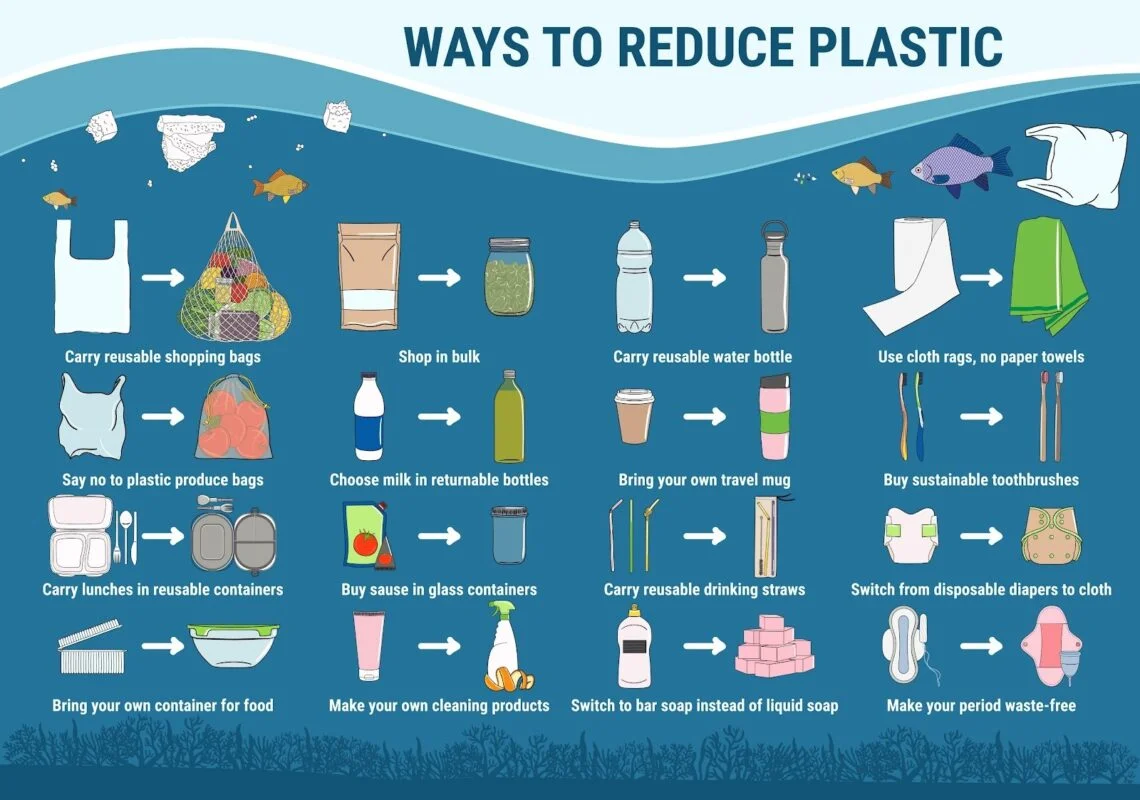
Single-use plastic bottles cause global plastic pollution. Tens of billions of plastic water bottles are thrown away yearly in the U.S. Recycling rates for this plastic are often low. Most waste ends up in landfills. It can take hundreds of years to decompose. Waste also harms marine life in the oceans. Using one reusable water bottle daily prevents over 150 single-use bottles from entering the waste stream each year.
Saving Resources and Cutting Carbon
Making a single plastic bottle needs energy and resources. The first production of a high-quality stainless steel water bottle is more energy-intensive. But using it repeatedly for years quickly makes up for that cost. Using a reusable bottle with tap water saves energy by over 80%. It cuts greenhouse gas emissions by almost 80%. This is compared to buying bottled water. Choosing a long-lasting brand like Lutloo maximizes this benefit.
Circular Economy and Your Role
The rise of the reusable water bottle helps the circular economy. This system prefers materials that are reused and recycled. It moves away from the “take-make-dispose” model. Every time you refill your reusable water bottle at a station, you are helping. You are participating in a sustainable system.
Health, Safety, and Hydration Benefits
A high-quality reusable bottle directly helps your health. It supports your personal well-being.
Avoiding Chemicals
Many disposable plastics contain Bisphenol A (BPA). BPA is a chemical that can harm the body. Concerns remain about other chemicals leaching out. This happens when plastic is scratched or heated. Food-grade 18/8 stainless steel water bottles are different. Glass bottles are also safe. They do not leach chemicals into your water. This provides a safer container for your daily water intake.
Better Hydration and Performance
The biggest health benefit is better hydration. The best hydration bottle is always accessible. It is a consistent visual cue to drink water. This helps maintain energy levels. It supports joint function. It boosts cognitive focus. A large insulated water bottle helps athletes track intake easily. This ensures peak performance without dehydration dips.
Quality and Taste
Another benefit is taste neutrality. Stainless steel water bottles and glass bottles keep the pure taste of water. Plastic bottles can sometimes leave a faint flavor. A quality metal water bottle ensures that your hydration is always refreshing. A Hydro Flask Water Bottle is known for its vacuum insulation. It keeps water cold. It prevents outside temperatures from changing the taste.
Practical Benefits
Beyond health, the reusable water bottle offers practical advantages. These fit easily into modern life.
Easy Refills and Money Saved
A reusable water bottle stops you from needing to buy costly drinks when you are out. Refill stations are now common everywhere. You can maintain your on-the-go hydration without vending machines. While premium bottles cost more upfront, the investment pays off fast. You can save hundreds of dollars yearly using tap water. A robust Stanley Water Bottles design delivers maximum long-term value.
Versatility and Temperature Control
Modern bottles offer incredible uses. An insulated water bottle is built with a double-wall vacuum seal. This technology is very effective. It keeps drinks ice cold water bottle for up to 24 hours. It keeps hot drinks (Thermos water bottle for hot water) for up to 12 hours. Your single reusable water bottle can serve many purposes. It can be a cold water thermos at the gym. It can be a hot water flask for your commute.
Identity and Customization
The reusable bottle is now a personal accessory. Companies offer every size, color, and finish. You can choose a sleek Lululemon Water Bottle for the yoga studio. Or pick a rugged flask water bottle for hiking. Your choice shows your personal style and values.
Reusable Water Bottle Types
The material you choose is the most critical decision. It affects durability, temperature, and hygiene.
| Type / Material | Pros | Cons / Considerations |
| Stainless Steel (18/8 Food Grade) | Superior durability, excellent temperature retention (insulated water bottle), non-porous, and highly recyclable. | Heavier, higher initial cost, and more energy are used for production. |
| Glass (often Borosilicate) | Purest water taste, easiest to clean, zero chemical leaching. | Fragile, heaviest, not good for active use or rough travel. |
| BPA-free Plastic / Tritan | Lightweight, affordable, shatter-resistant, clear for easy hydration tracking. | Shorter lifespan, prone to scratching (hygiene risk), and less temperature retention. |
| Collapsible / Silicone | Extremely lightweight, highly portable, and saves space for travel. | Durability issues, potential cleaning challenges may lead to odors. |
When buying, match the material to your main use. For intense activity, the best vacuum insulated bottle is key. If you need a lightweight option for a short gym session, plastic works. The Owla Water Bottle is a good example. It combines an insulated water bottle design with a dual-lid system.
Hygiene, Maintenance, and Potential Downsides
This is the most critical part of owning a reusable water bottle. Not cleaning it properly can hurt your health. It can also introduce real risks.
The Science of Dirty Bottles
Even with clean water, problems arise. Moisture, warmth, and saliva create a perfect environment. This is ideal for microbial growth. Bacteria and fungi form a complex, slimy colony. This is called biofilm.
Studies show that uncleaned reusable bottles harbor high amounts of bacteria. This can sometimes be more than on a toilet seat. This biofilm is hard to remove with just rinsing. It needs scrubbing and detergent.
The Solution: Do not just rinse. You must regularly scrub and disassemble the lid. Clean the straw and any gaskets, too.
Environmental Trade-Offs
Using a reusable water bottle is better than plastic. But the environmental benefit takes time. The high cost of a metal water bottle means many reuses are needed. It must be used hundreds of times to pay off. If you buy a bottle and do not use it, the benefit is lost. Investing in quality, like a Tyeso model, is key. This maximizes its sustainable lifespan.
Real-World Use Cases and Challenges
The benefits of a reusable water bottle change greatly. This depends on your location and lifestyle.
Daily Life
For your daily commute, office, or gym, the integration is simple. A flask bottle ensures your cold water bottle stays refreshing. Designs like those in the Bottled Joy range have volume markings. These help with hydration tracking during workouts.
The Challenge of Water Quality
A primary issue is unsafe refill water. The reusable water bottle alone cannot fix this problem. Tap water is not safe in many places. Users must rely on expensive single-use bottles. They may use large, refillable jugs. In these scenarios, the bottle must be purified. Use boiling, chemicals, or a high-quality filter.
Creating Sustainable Habits
Refilling needs a shift in psychology. You must form the habit of carrying your bottle. Research suggests leaving it by the door works well. This is an effective early reminder.
Social, Cultural, and Market Trends
The market has grown fast. The reusable bottle is now an environmental and personal statement.
A Lifestyle Accessory
Social media has helped the reusable water bottle grow in popularity. Designs are sleek and highly customizable. Water bottle brands promote them for a healthy, eco-conscious identity. This is part of the sustainable-living movement. Brands innovate constantly with new features.
Policy and Infrastructure
Governments and businesses now support reuse. They ban single-use plastics. They install public water refill stations. This infrastructure makes the reusable water bottle convenient. This confirms its role in the circular economy.
Choosing Your Reusable Bottle
Choosing your perfect bottle means balancing needs. Look at material, use, and maintenance.
- Identify Your Use:
Gym/Active: Prioritize durability and temperature control. Choose a sports thermos. A wide mouth helps with easy ice addition.
Office/Desk: Focus on capacity and stability. A large insulated water bottle is good. A robust tumbler like the Mini Mug Tyeso also works. Weight is less important here.
Travel/Hiking: Choose lightweight and non-breakable. Durable plastic is often better. Single-wall steel is preferred. Avoid heavy double-wall vacuum water bottles for long distances.
- Select Your Material: Stainless steel water bottle is the best all-around choice. It is good for health, hygiene, and longevity. Glass offers the purest taste. But it is risky for active use.
- Evaluate Hygiene: Look for an easy-clean surface. Wide-mouth bottles are easier to clean than narrow ones. This helps prevent biofilm formation inside.
- Cost vs. Longevity: A premium hydration bottle costs more upfront. But it will last longer than cheap plastic. This offers the best long-term value.
How to Use & Maintain Your Reusable Bottle
Strict maintenance is mandatory. Your reusable water bottle must remain a tool for health.
- Clean Regularly: Always rinse your bottle after every use. Do this especially after protein powders or sweet drinks. Perform a deep clean at least weekly. This means disassembling all lid components.
- The Right Tools: Use a bottle brush for the interior. This scrubs away biofilm. Use small brushes for the lid’s threading and straws.
- Disinfection: For sanitization, use hot water and soap. A solution of vinegar or baking soda also works.
- The Drying Rule: Never screw the cap back onto a wet bottle. Store it upside down with the lid off. This lets it air-dry completely. This kills the moisture needed for microbial growth.
Conclusion
The reusable water bottle is now a modern necessity. It offers rare benefits. It combines environmental duty, personal health, and economic savings. It is a symbol of mindful consumption.
The choice to use a reusable bottle is a commitment. You must commit to refilling. You must also commit to diligent maintenance. Select the right metal water bottle for your life. Use proper cleaning practices. You are investing in a healthier, more sustainable future. Make the informed choice today.
FAQs
Is a reusable water bottle always better than a disposable?
A reusable water bottle is significantly better than a disposable one. This is true only if you use it consistently. You must also maintain it properly. The production of an insulated water bottle has a higher initial environmental cost. This is offset after hundreds of reuses. Longevity is the true measure of its eco-friendliness.
Do all reusable bottles need special cleaning?
Yes, all reusable water bottles need regular, thorough cleaning. Rinsing is not enough. The warm, moist environment is an ideal breeding ground for bacteria. You must disassemble and scrub all parts. This should be done at least once a week to maintain hygiene.
Is stainless steel or glass always better for a reusable water bottle?
A high-quality stainless steel water bottle is generally better for active users. It has superior durability and cold water bottle insulation. Its non-porous nature resists microbial build-up. Glass offers the purest taste. However, its fragility makes it impractical for daily, on-the-go use.
What if tap water isn’t safe?
A reusable water bottle cannot solve the problem of unsafe tap water alone. You should use a bottle that accommodates a quality portable water filter. Or, you must only refill it with purified water. The bottle must be paired with a safe water source. This guarantees the best hydration bottle practices.


